
Ledger.com/Start® | Getting started®™ — Ledger Support
Get started at Ledger.com/start and discover wallet setup resources for connecting your device, managing accounts, monitoring assets, and activity.
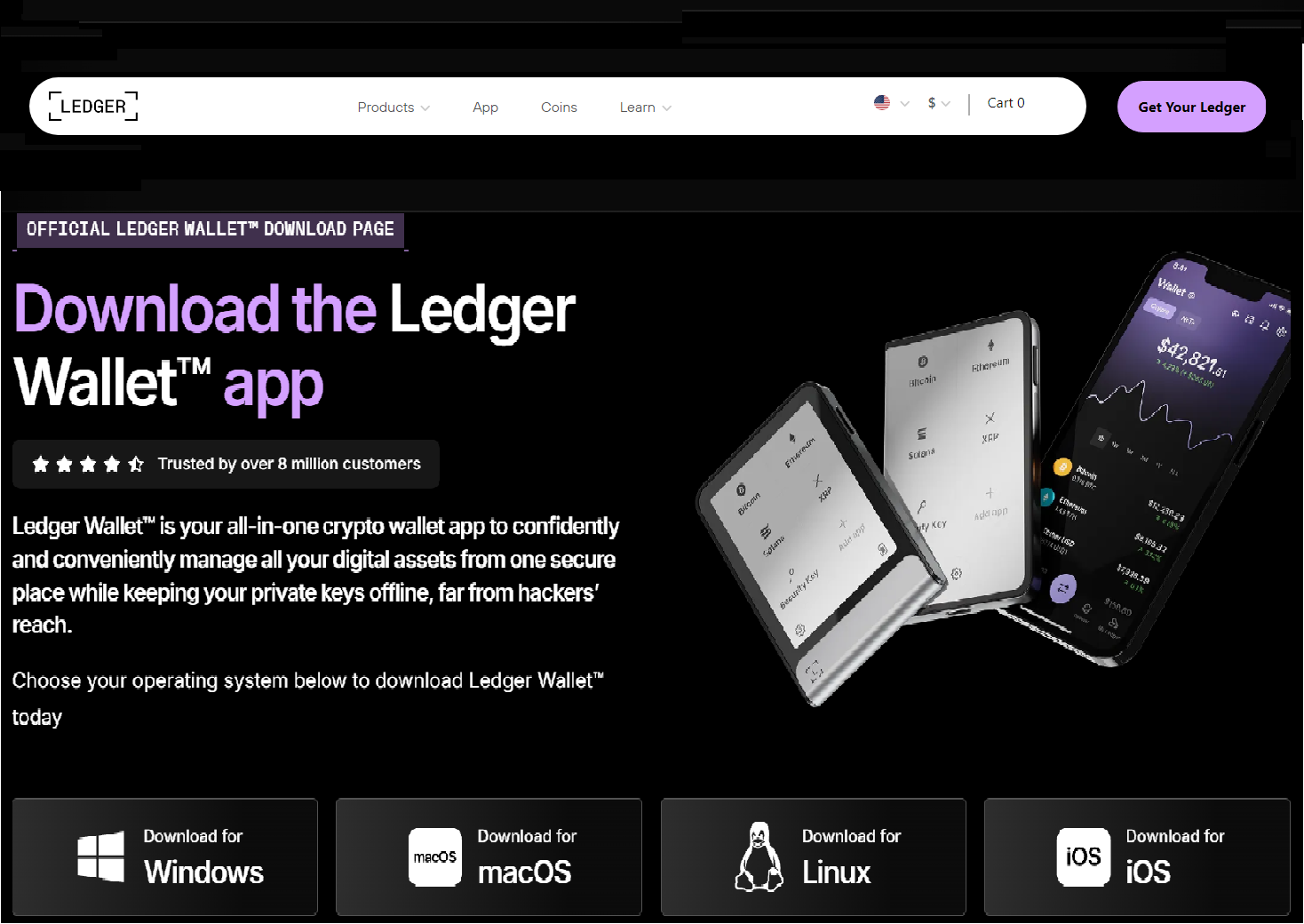
Ledger.com/start: Simple Preparation Tips for New Ledger Users
The first experience with a hardware wallet can shape how comfortable you feel managing digital assets later. Instead of rushing through the setup, it is helpful to prepare your computer, understand the purpose of the hardware device, and learn how to protect sensitive information.
For beginners, Ledger.com/start offers a natural starting point for learning about Ledger wallet setup and establishing a practical approach to everyday use.
Verify Where You Are Starting
Wallet security begins with the source of your instructions.
If you are using Ledger.com/start, check that you have reached the legitimate Ledger website. Be cautious with search advertisements, shortened links, unsolicited messages, and websites that use similar names or designs.
When in doubt, navigate to the official website directly rather than trusting a link supplied by another person.
Use a Computer You Trust
Your computer is part of your wallet environment, so choose it carefully.
Use a personal computer that you control whenever possible. Avoid setting up important wallet functions on public or unfamiliar devices.
Before starting, make sure your operating system is working normally and keep standard security features enabled.
Understand What the Device Does
Before making your first transaction, learn the basic purpose of the Ledger hardware wallet.
The physical device provides a separate environment for important wallet actions and transaction approvals. Compatible software on the computer provides a convenient interface for viewing and managing supported accounts.
This separation is worth understanding because it explains why transaction information may need to be reviewed on the physical device.
Give Recovery Information Priority
Your recovery information should be treated as highly private from the moment it is created.
Record it according to the official instructions and store it in a secure location. Do not upload it to cloud storage or send it through email or chat.
Never enter recovery words into an unfamiliar website because a message claims that your wallet needs to be “verified” or “synchronized.”
If someone requests your recovery information, stop before continuing.
Learn the Interface at Your Own Pace
After setup, spend time exploring the wallet environment without immediately moving a significant amount of cryptocurrency.
Become familiar with account information, balances, transaction records, and basic wallet functions.
Learning the interface gradually can make future transactions more predictable.
Check Receiving Details
When receiving cryptocurrency, address accuracy is essential.
Select the intended account and asset, then verify the receiving address using the wallet's available confirmation process.
Avoid assuming that an address is correct simply because it looks familiar.
For a first transaction, using an amount suitable for testing can help you become comfortable with the workflow.
Slow Down When Sending
Outgoing transactions deserve careful review.
Check the destination, amount, selected asset, and network details where applicable. Review the transaction fee before approval as well.
When your Ledger hardware device displays transaction information, compare it with what you intended to send.
If the details do not match, do not approve the transaction until you understand the difference.
Ignore Unexpected Recovery Requests
A genuine technical issue should not require you to reveal your recovery phrase.
Be especially cautious if someone contacts you unexpectedly and says your wallet must be restored, unlocked, or synchronized.
Do not give remote access to your computer to unknown individuals either. Instead, use official Ledger documentation and support channels.
Approach Updates Carefully
Software updates can be a normal part of maintaining a wallet setup, but you should always verify where an update comes from.
Do not install files supplied through suspicious emails or private messages. If an update request appears unexpectedly, check the official Ledger resources independently before proceeding.
Keep Your Wallet Routine Simple
You do not need to perform complicated maintenance every day.
A simple routine can include reviewing account activity when needed, checking transaction details before approval, keeping recovery information private, and obtaining software only from trusted sources.
Consistency is often easier to maintain than an overly complicated system.
Learn Before Expanding
As you become comfortable with basic wallet functions, you can gradually explore additional features that are relevant to your needs.
There is no requirement to understand every feature immediately. Focus first on the tasks you actually expect to perform.
This makes the learning process less overwhelming and gives you time to understand each function properly.
Final Thoughts
Ledger.com/start can be a practical entry point for new Ledger users who want to prepare their hardware wallet and learn the fundamentals of wallet management.
A careful setup starts with verified resources and a trusted computer. From there, protect recovery information, learn the device and software relationship, and make transaction verification a regular habit.
Taking the time to build these fundamentals can make future wallet sessions clearer, more organized, and easier to manage.
Updated about 6 hours ago