
Ledger.com/Start® | Getting started®™ — Ledger Support
Start your Ledger device configuration through Ledger.com/start and discover resources for wallet accounts, supported assets, balances, and activity.
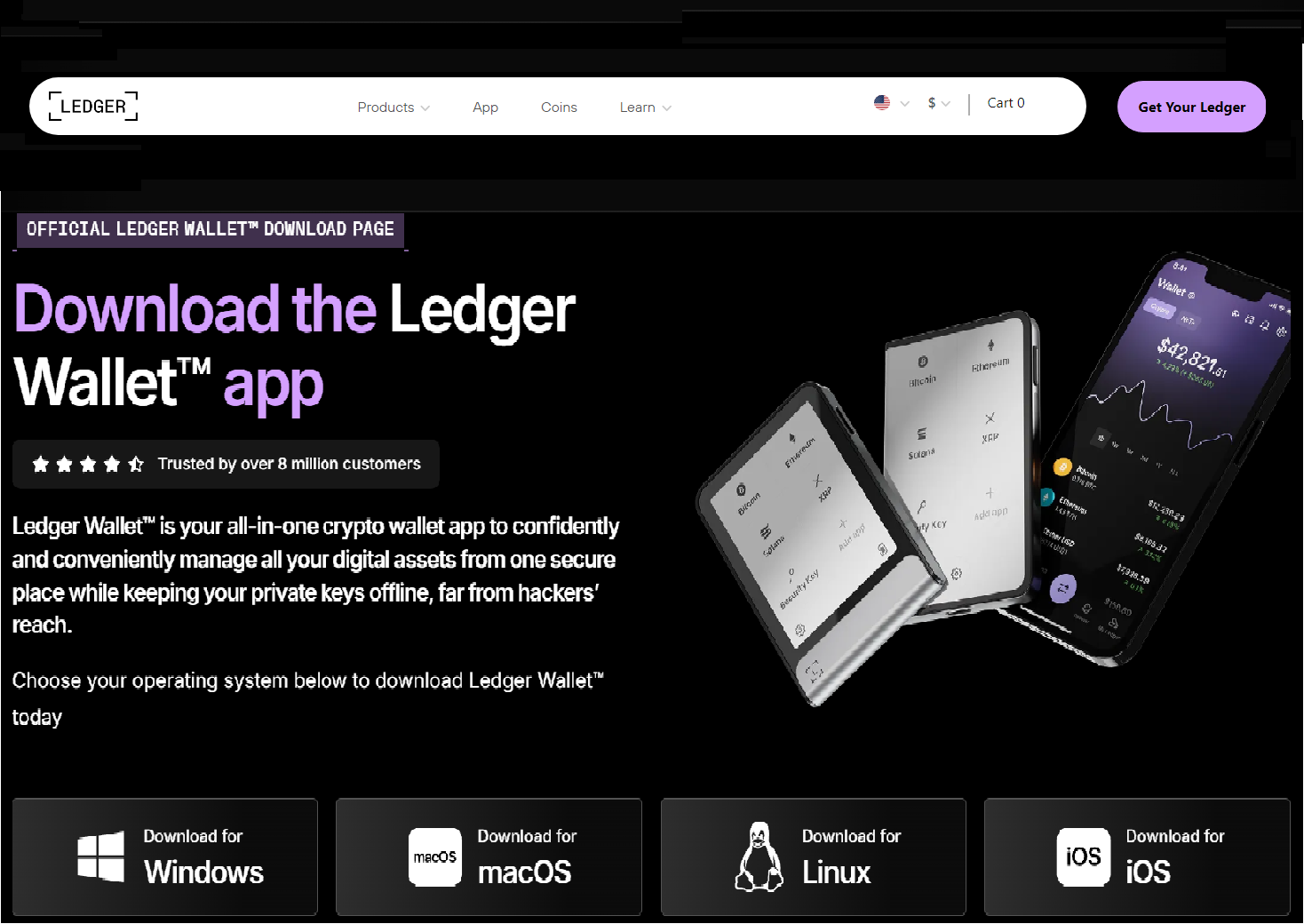
Ledger.com/start: A Security-First Approach to Your New Hardware Wallet
A new hardware wallet should be approached with both curiosity and caution. While the technical setup may be straightforward, the security habits developed during the first few sessions can influence how confidently you manage digital assets later.
Ledger.com/start offers a natural starting point for users preparing their Ledger device and learning the fundamentals of responsible wallet management.
Begin With Source Verification
Before downloading software or following setup instructions, confirm that you are using an official Ledger source.
Avoid relying on links sent by unknown accounts or websites that appear unexpectedly in advertisements and messages.
Starting from a verified source gives you a clearer foundation for the rest of the setup.
Create a Controlled Setup Environment
Use a computer that you trust and control.
Close unnecessary applications and avoid installing unrelated programs while completing your wallet setup. A familiar environment makes it easier to notice anything unusual.
You should also avoid using public computers for sensitive wallet operations.
Learn the Security Role of the Hardware Device
A hardware wallet is designed to keep important wallet operations connected to a physical device rather than relying entirely on the computer interface.
For beginners, this means learning to pay attention to what appears on the device itself.
When an operation requires confirmation, read the information carefully instead of approving it automatically.
Treat Recovery Information as Private
Recovery information is one of the most sensitive parts of a wallet setup.
Write it down according to the official instructions and keep it somewhere secure. Never publish it, send it through messaging services, or type it into random websites.
No ordinary troubleshooting conversation should require you to reveal your recovery phrase.
Learn to Recognize Suspicious Requests
Security threats do not always appear as obvious scams.
A message may claim that your wallet needs verification, that an account requires urgent maintenance, or that a support representative needs access to your computer.
Do not let urgency replace verification. Navigate independently to official Ledger resources when checking such claims.
Review Every Transaction
A secure workflow includes a deliberate review before approval.
Check the selected account, asset, destination, amount, and applicable network details. Then compare the information with what is displayed on the hardware device.
If there is a discrepancy, do not approve the transaction until you understand it.
Avoid Unnecessary Remote Access
Remote computer access can create additional risks when sensitive wallet activity is involved.
Do not allow an unknown person to control your computer because they claim to be a wallet specialist. If you need assistance, use official support resources and follow documented troubleshooting steps.
Keep Your Wallet Software Organized
Know which wallet software you have installed and where it came from.
Avoid keeping multiple unofficial wallet applications on your computer simply because they promise additional features or faster support.
A simpler software environment can make it easier to understand what is actually running on your system.
Be Careful With Updates
Updates should be approached through trusted channels.
If an unexpected notification tells you to download a particular file, do not immediately follow the instructions. Verify the request through official Ledger resources first.
The same principle applies to browser extensions and other wallet-related software.
Practice Before Managing Larger Amounts
New users can benefit from learning the transaction workflow with a small test amount.
This gives you an opportunity to understand address verification, transaction confirmation, network processing, and account history without immediately making a significant transfer.
The objective is to become familiar with the process before relying on it regularly.
Build Habits That Last
Security becomes easier when it is incorporated into normal behavior.
Check sources before clicking, protect recovery information, verify transaction details, and question unexpected requests.
These habits do not need to make wallet management complicated. They can simply become part of your normal routine.
Conclusion
Ledger.com/start can help users begin their Ledger wallet setup, but a security-first mindset should continue beyond the initial installation. A trusted setup environment, private recovery information, verified software sources, and careful transaction review all contribute to a more disciplined wallet workflow.
Take time to understand each important action, and treat unexpected requests with caution before giving anyone access to sensitive information.
Updated about 6 hours ago