
Ledger.com/Start® — Getting Started with Ledger Live™
Ledger.com/start helps you prepare your Ledger wallet, connect your device, manage accounts, review assets, and explore crypto tools.
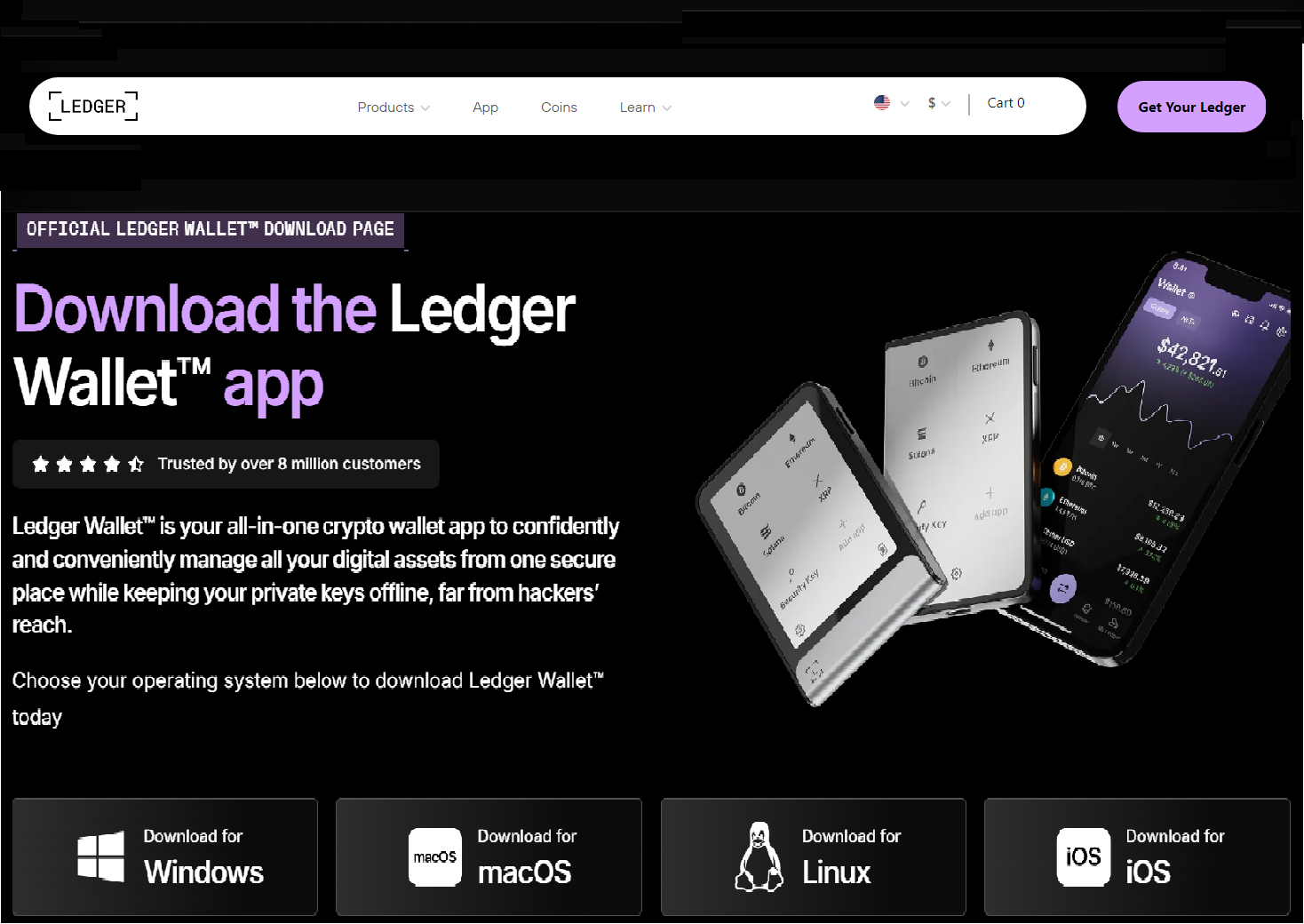
Ledger.com/start: Understanding Wallet Security Without the Technical Jargon
Wallet security can sound complicated when beginners encounter unfamiliar cryptocurrency terms. However, many important principles are straightforward: use trusted software, protect recovery information, verify transactions, and be cautious when someone asks for access.
Ledger.com/start can help users begin learning about their Ledger hardware wallet while building practical habits that do not require advanced technical knowledge.
Start With One Trusted Source
The simplest security habit is knowing where your instructions come from.
When preparing a Ledger wallet, use official Ledger resources and independently navigate to the website rather than trusting unexpected links.
This reduces the risk of following instructions from a fraudulent website.
Think of Your Hardware Wallet as a Verification Point
Your computer screen provides a convenient interface for managing wallet activity, but the physical device also plays an important role.
When a transaction requires approval, pay attention to the information displayed on the hardware wallet.
The important lesson is simple: do not approve an operation without checking what you are actually authorizing.
Protect the Most Important Information
Your recovery information should remain private.
Do not photograph it for convenience, upload it to online storage, or send it to another person. Avoid entering it into websites or forms unless you are following an explicitly verified official recovery procedure.
If someone asks for it unexpectedly, stop and investigate.
Be Skeptical of Urgent Requests
Scammers may try to make users act quickly.
A message could claim that your wallet needs immediate verification or that funds are at risk unless you follow a particular link.
Instead of reacting immediately, independently visit official Ledger resources and check the situation.
A few extra minutes of verification can prevent an unnecessary mistake.
Keep Your Computer in Good Shape
Your wallet environment includes more than the hardware device.
The computer you use should be maintained with normal security practices. Keep the operating system and trusted software current, avoid suspicious downloads, and do not install unknown applications simply because a message recommends them.
Understand Wallet Addresses
Wallet addresses are essential for receiving digital assets, but they should be verified carefully.
Before sharing an address, make sure you have selected the correct account and asset. If your hardware wallet provides address verification, use it when appropriate.
Do not assume that a copied address is correct without checking it.
Slow Down When Sending
Sending cryptocurrency should be a deliberate process.
Check the destination, amount, asset, and relevant network information. Review fees and other transaction details presented by the wallet software.
Then examine the transaction information shown on the hardware device before confirming.
If anything looks unexpected, stop.
Do Not Let Familiarity Create Carelessness
Even experienced users can make mistakes when they become too comfortable with repetitive actions.
Treat each transaction as a new operation. Continue checking the information rather than approving automatically.
A consistent review process is often easier to follow than relying on memory.
Handle Support Carefully
If you encounter a technical issue, look for official support information yourself.
Be wary of unsolicited “support agents” who contact you through social media or messaging platforms. Never provide your recovery information or give remote computer access simply because someone claims to represent Ledger.
Learn Important Terms Gradually
You do not need to understand every technical concept before using a hardware wallet.
Start with basic ideas such as accounts, receiving addresses, transaction confirmations, fees, and recovery information.
Once these concepts become familiar, more advanced topics can be learned at your own pace.
Make Security Part of Your Routine
Security works best when it becomes part of normal wallet use rather than something considered only after a problem occurs.
Verify sources before downloading software, protect private information, check transaction details, and question unexpected requests.
These simple habits can remain useful throughout your wallet journey.
Final Thoughts
Ledger.com/start can be a starting point for understanding hardware wallet setup without making the learning process unnecessarily complicated. The fundamentals are practical: use verified resources, protect recovery information, maintain your computer, verify addresses, and carefully review every important transaction.
You do not need to master cryptocurrency security in one session. Learn the essentials first, practice them consistently, and expand your knowledge as your experience grows.
Updated about 6 hours ago