
Ledger.com/Start® | Getting started®™ — Ledger Support
Start with Ledger.com/start for wallet setup guidance, device connection, account management, asset tracking, and transaction resources.
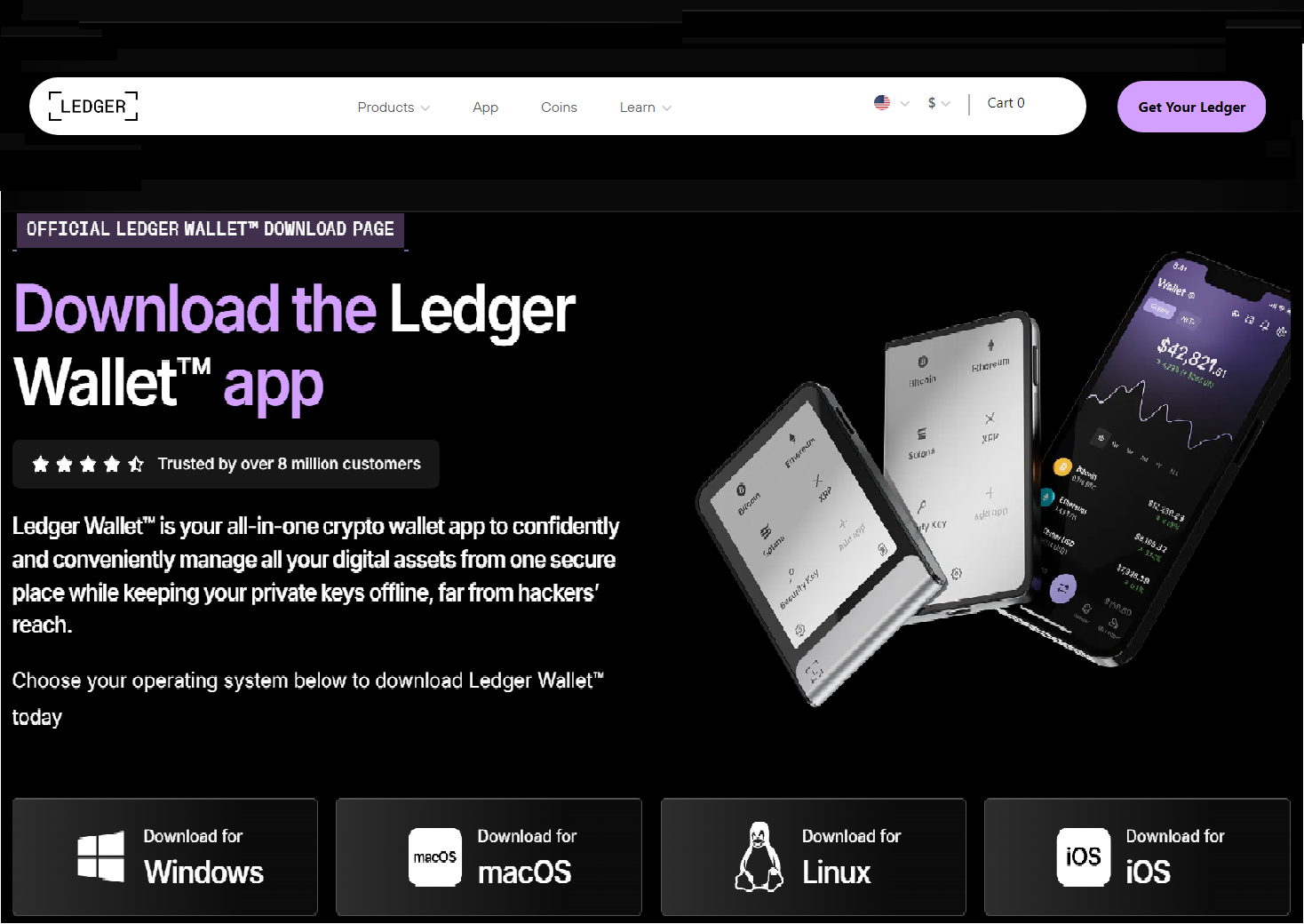
Ledger.com/start: From First Setup to Everyday Wallet Management
Getting a new hardware wallet ready is more than simply connecting a device and opening an application. A good setup establishes the foundation for everything that follows, from checking account information to receiving and sending digital assets.
For new Ledger users, Ledger.com/start can be used as a starting point for learning the setup process and understanding how the hardware device works alongside compatible wallet software.
Why the Initial Setup Matters
The first setup creates the foundation for your future wallet routine.
This is the stage where you become familiar with the physical device, understand how transaction approval works, and learn how recovery information must be protected.
Taking your time here can make later wallet management much more comfortable.
Use a Trusted Starting Point
Begin by accessing official Ledger resources rather than relying on links from unknown websites.
When searching for Ledger.com/start, be aware that unofficial websites can use similar branding or page designs. Do not enter wallet information into a page simply because it appears in search results.
Check the address carefully and use trusted Ledger documentation for setup instructions and software downloads.
Get Familiar With the Device
Before making transactions, spend a little time learning how your hardware wallet works.
Understand the basic controls, how information appears on the device, and how confirmations are handled.
The computer interface can make wallet management convenient, but the physical device remains an important part of the authorization process.
Handle Recovery Information Correctly
During setup, you may receive important recovery information associated with your wallet.
Treat this information as confidential.
Do not share it with friends, websites, online communities, or anyone claiming to provide technical support. Avoid taking digital photographs of it or storing it in ordinary online notes.
If you ever receive an unexpected request for recovery words, stop and verify the request through official resources.
Connect to Compatible Software
Once the hardware setup is complete, use the compatible Ledger wallet software according to the official setup instructions.
The software provides a convenient environment for viewing supported accounts and managing wallet activity, while the hardware device is involved in important authorization steps.
Learning this relationship early can help prevent confusion about where your wallet information and transaction approvals are handled.
Explore Before You Transact
There is no need to immediately send cryptocurrency after setup.
First, explore the account interface and become familiar with balances, supported assets, and transaction history.
Understanding the interface before moving funds can reduce mistakes caused by unfamiliarity.
Practice Careful Receiving
When receiving cryptocurrency, pay attention to the wallet address you provide.
Copying and pasting an address can be convenient, but important addresses should still be verified through appropriate wallet controls.
Do not assume that a familiar-looking address is automatically correct.
For an initial transfer, using an amount suitable for testing the workflow can help you understand how the process works.
Review Every Outgoing Transaction
Sending assets requires additional attention.
Before confirming a transaction, check the destination, amount, network information where applicable, and transaction fee.
When the hardware device presents transaction details for approval, compare them with your intended transfer. If anything appears different, stop and investigate before confirming.
Be Careful With Support Requests
Fake support messages can appear convincing, especially when a user is experiencing a setup problem.
Do not provide recovery information to anyone claiming to unlock, synchronize, validate, or repair your wallet. Also avoid granting remote access to your computer to unknown individuals.
Use official Ledger support resources when you need assistance.
Keep Software Updated Carefully
Wallet software may change over time, so it is useful to stay aware of legitimate updates.
However, do not install an update simply because an unexpected popup, email, or message tells you that your wallet is at risk.
Instead, verify update information through official Ledger resources and follow the recommended installation process.
Develop a Repeatable Routine
Once your wallet is ready, create a routine that you can follow consistently.
Check account details when necessary, review transaction history, verify outgoing transfers, and keep recovery information private.
You do not need a complicated system. A small number of reliable habits can make everyday wallet management easier to understand.
Final Thoughts
Ledger.com/start is a useful starting point for learning how to prepare a Ledger hardware wallet and move toward everyday digital-asset management.
The most important part of the process is not speed. It is understanding each stage, protecting private recovery information, using trusted software sources, and verifying transactions before authorization.
With a clear foundation and consistent habits, beginners can gradually become more comfortable managing their hardware wallet while keeping security considerations at the center of each session.
Updated about 6 hours ago